Top 3 Dance Related Ankle Injuries
March 16, 2026

Dance demands strength, control, flexibility, and repetition (often all at end range). It’s no surprise that the foot and ankle are among the most commonly injured areas in dancers. Here are three conditions we frequently see in the studio:
1. Posterior Ankle Impingement (“Dancer’s Heel”)
Posterior ankle impingement is especially common in pointe dancers, but it can affect any dancer who spends hours each week in deep plantarflexion (pointing the foot or dancing in relevé).
This condition causes pain in the back of the ankle when the foot is fully pointed. The irritation typically comes from compression of soft tissue structures such as tendons or the joint capsule. In some dancers, an accessory bone called an os trigonum (a small bone behind the talus) can become compressed during extreme plantarflexion, contributing to symptoms.
Common symptoms:
- Pain at the back of the ankle when pointing
- Increased discomfort en pointe or in relevé
- Tenderness with deep ankle compression
Treatment typically includes:
- Temporary reduction of pointe work
- Activity modification
- Targeted physical therapy to improve ankle mobility, control, and strength
2. Flexor Hallucis Longus (FHL) Tendinitis
The flexor hallucis longus (FHL) tendon plays a major role in pointing the big toe and stabilizing the ankle — both essential for dancers. With repetitive relevés, jumps, and long rehearsal hours, this tendon can become irritated and inflamed.
Pain is usually felt behind the inside (medial) ankle bone and may worsen with pointing, pushing off, or going en pointe.
Common symptoms:
- Medial ankle pain
- Pain with big toe flexion
- Clicking or catching sensation in the back of the ankle
Treatment often involves:
- Modifying pointe and jumping temporarily
- Improving ankle and big toe mobility
- Strengthening the deep foot and calf musculature
- Correcting technique or loading patterns contributing to irritation
3. Ankle Sprains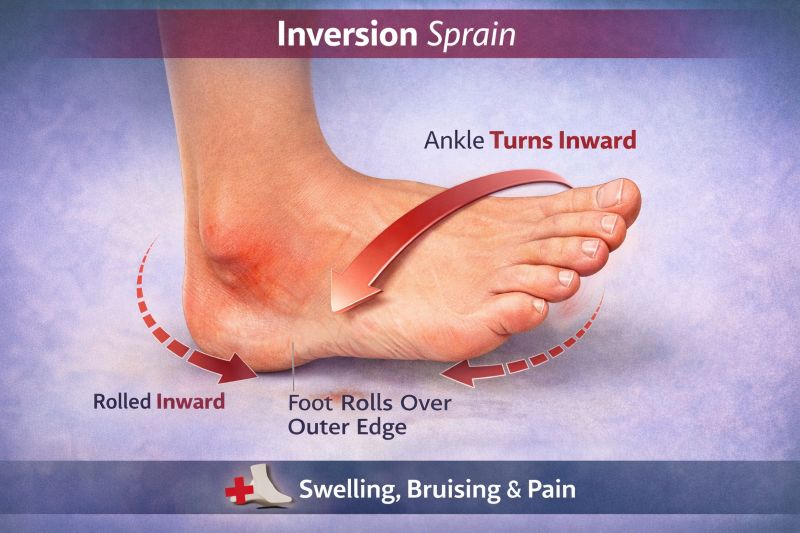
Ankle sprains occur when the ankle rolls or twists beyond its normal range, stretching or tearing the ligaments. They are extremely common in dancers due to high training volume, fatigue, and demanding choreography.
Unfortunately, because ankle sprains are so common in dance, they’re often under-rehabilitated. Returning to class too quickly can lead to persistent stiffness, instability, and recurrent sprains.
Without proper rehab, dancers may experience:
- Chronic ankle instability
- Decreased mobility
- Ongoing weakness
- Increased risk of re-injury
A structured rehabilitation plan is critical to restore full mobility, strength, balance, and confidence before returning to full activity.
How a Dance Medicine Physical Therapist Can Help
A dance-focused physical therapist understands the physical and artistic demands of your sport. Treatment goes beyond just “rest and ice.”
We can help by:
- Collaborating on class modifications so you can stay engaged while healing
- Assessing technique and movement patterns to identify contributing factors
- Providing hands-on manual therapy to improve joint mobility and tissue quality
- Designing a progressive strengthening program specific to your dance style
- Building long-term injury prevention strategies to keep you performing at your best
When Should a Dancer Seek Treatment?
Schedule an evaluation if:
- Ankle or foot pain lasts more than a few days
- You feel pinching in the back of the ankle when pointing
- Relevé, pointe, or jumps increase discomfort
- Your ankle feels unstable or “gives out”
- You’ve had multiple sprains
- You’re modifying choreography to avoid pain
Dance injuries rarely improve with rest alone. The sooner you address the root cause, the faster and safer your return to full performance.
Don’t Push Through Pain — Protect Your Foundation
You don’t have to dance around ankle pain.
At Smith Physical Therapy+ in Crystal Lake, our one-on-one dance medicine specialists understand the technical and performance demands placed on your body. We don’t just calm symptoms — we restore strength, control, mobility, and confidence so you can return to the studio stronger than before.
If you’re a dancer in McHenry County dealing with foot or ankle pain, don’t wait for it to sideline your season.
Schedule your complimentary discovery session today and get a clear plan to recover, rebuild, and stay stage-ready.
Want more about this topic? Our therapists cover these 3 injuries in our Education Series Webinar.
People Also Ask
What causes posterior ankle impingement in dancers? Repeated extreme plantarflexion — especially during pointe work and relevé — compresses structures at the back of the ankle. In some dancers, an os trigonum increases compression and irritation.
How do I know if I have FHL tendinitis? Pain behind the inner ankle bone, discomfort when pointing the big toe, and clicking sensations during movement are common signs. Symptoms often worsen after long rehearsals.
How long does it take to recover from an ankle sprain in dancers? Mild sprains may improve in 2–4 weeks, but full strength and stability often take longer. Returning too early increases the risk of chronic instability.
Can dancers continue training during foot or ankle rehab? In many cases, yes — with smart modifications. A dance medicine specialist can adjust class activity while protecting healing tissues.
When should a dancer see a physical therapist for ankle pain? If pain persists beyond a few days, limits movement, affects technique, or recurs repeatedly, early evaluation improves recovery speed and long-term outcomes.
About the Author: Denise Smith