The Science Behind Pointe Work
March 17, 2025

Dancing en pointe is a beautiful yet demanding aspect of ballet, requiring a combination of strength, technique, and a proper warm-up. Without an adequate warm-up and attention to foot health, dancers risk injury and long-term damage. This blog will help you understand the effect that pointe work has on a dancer’s feet and tips on how to reduce the risk of injury.
The impact pointe work has on a dancer’s feet
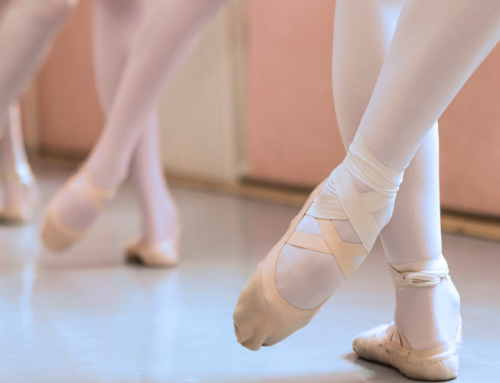
When a dancer rises onto pointe, their entire body weight is supported across the tips of their toes, placing significant force through the foot and lower leg. Did you know the force going through a dancer’s foot on pointe can range from 2 to 10 times their body weight?! The force is greatest when standing on 1 foot, turning or hopping en pointe. The foot must be able to withstand these forces while also maintaining stability and balance. While the structure of a pointe shoe assists in this process, it is proper technique and strength that are essential to avoid excessive strain.
Forces Through the Foot and Factors That Affect Impact
Several factors influence the amount of force exerted on the foot while dancing en pointe:
- Technique: Proper alignment from the hip to your toes can reduce unnecessary strain on the foot and ankle.
- Weight: Body weight impacts the force transmitted through the foot.
- Dance Steps: Repeated jumps, turns, and intricate footwork can increase the cumulative stress on the feet, making proper landing mechanics essential.
- Shoe Structure: A well-fitted and properly supportive pointe shoe helps absorb shock and distribute weight evenly, reducing the impact on vulnerable areas.
Why Proper Warm-Up Is Essential for Pointe Dancers
A proper warm-up prepares the body for the intense physical demands of dancing en pointe. Warm-ups increase blood flow, improve flexibility, and activate the muscles necessary for stability and control. Skipping a proper warm-up can lead to decreased performance and a higher risk of injury, as cold muscles and stiff joints are more susceptible to strain.
The Importance of Strong Ankles and Feet for Pointe Work
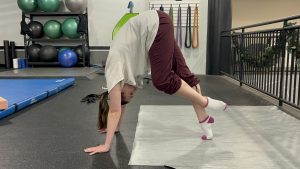
Strong ankles and feet are the foundation of successful pointe work. Exercises that build intrinsic foot muscles, improve ankle stability, and enhance calf strength help dancers maintain control and balance while reducing the risk of injury. Incorporating resistance band exercises, toe-strengthening drills, and calf raises into a dancer’s routine can greatly improve pointe readiness.

Conclusion
Dancing en pointe is a remarkable feat of strength and artistry, but it requires careful attention to technique, preparation, and equipment. A proper warm-up, awareness of force distribution, and strong foot and ankle muscles play key roles in a dancer’s success and injury prevention. By respecting the science behind pointe work, dancers can ensure longevity in their careers and continue performing safely and beautifully.
Interested in learning more? Visit our Dance Medicine page to learn about our program or Contact Us to schedule an appointment.
About the Author: Megan Long