Return to Sport After a Gymnastics Injury
February 26, 2026
Returning to Gymnastics After an Injury: A Safe and Effective Approach
You just experienced a gymnastics injury, whether it was a broken bone, sprain, stress fracture, or surgery, and your doctor has cleared you to go back to the gym. Now what?
Gymnastics is a highly demanding sport. While your injured body part may have healed, time spent away from the gym often results in lost strength, endurance, and coordination. Jumping back in where you left off could increase the risk of reinjury—or even cause a completely new injury.
Why Addressing the Cause of Your Injury Matters
Some injuries are flukes, but many happen for a reason. Conditions like stress fractures, growth plate injuries (Osgood-Schlatter or Sever’s disease), or recurrent sprains often result from underlying factors such as:
- Muscle imbalances
- Technique errors
- Insufficient strength
Simply resting will not correct these issues. Without addressing the root cause, returning to your previous skills may feel like walking with a rock in your shoe—pain-free when resting, but uncomfortable once you start moving again.
Key Takeaway: Strength restoration and technique correction are essential before resuming full gymnastics training.
Steps to Safely Return to Gymnastics
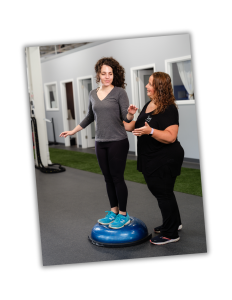
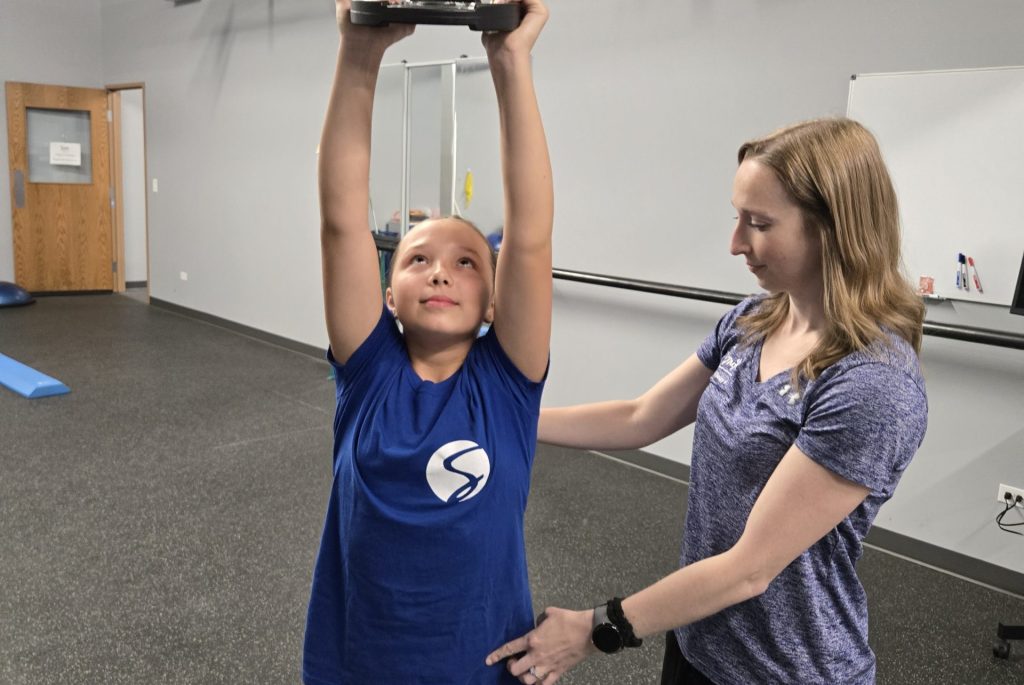
1. Work with a Sport-Specific Physical Therapist
A physical therapist who understands gymnastics can:
- Identify muscle imbalances that contributed to your injury
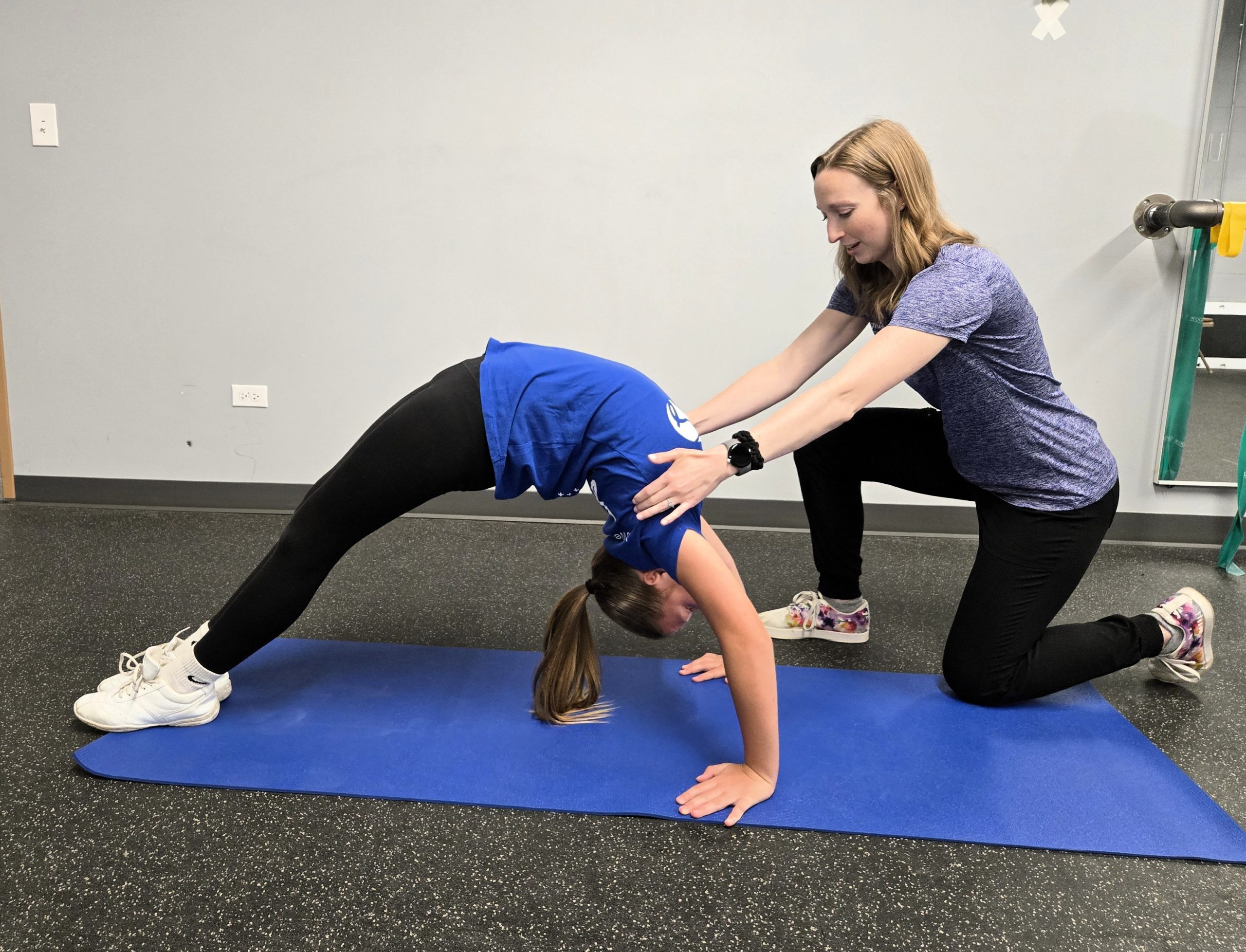
- Assess technique on specific skills to prevent reinjury
- Create a personalized return-to-gym plan
2. Strengthen During Recovery
Even while resting from your injury:
- Focus on whole-body strength
- Improve mobility and flexibility
- Target areas affected by the injury
3. Follow a Gradual, Personalized Return Plan
Returning to gymnastics should be structured and gradual, not a “jump back in” approach. Your plan should outline:
- Skill progression
- Conditioning exercises
- Technique modifications if needed
4. Prevent Re-inury
The goal is to return stronger and smarter, minimizing time lost and reducing the risk of setbacks. Working proactively with a physical therapist ensures a safe, effective, and faster comeback.
Why Early PT Consultation is Crucial
Seeing a physical therapist before returning to the gym maximizes your recovery by:
- Identifying areas of weakness early
- Addressing mobility or technique issues
- Ensuring a smooth, safe transition back to training
Investing this time upfront can prevent longer downtime and keep you performing at your best.
Ready to Return to Gymnastics Safely?
At Smith Physical Therapy+, our specialists understand the unique demands gymnastics places on the body. Whether you’re recovering from a broken bone, sprain, stress fracture, or surgery, we can create a personalized return-to-sport plan to help you regain strength, improve technique, and prevent reinjury.
We offer:
- In-person appointments at our clinic
- Virtual appointments for flexible, at-home guidance
- 30-minute free discovery sessions to evaluate your needs and outline a plan
Schedule today and get back to gymnastics safely, stronger, and smarter.
People Also Ask
How long should I wait to return to gymnastics after an injury? Timing depends on the type and severity of the injury, as well as your healing progress. Always follow your doctor’s clearance and a personalized PT return plan.
Can I train other body parts while injured? Yes! While resting the injured area, you can safely work on other muscles and overall conditioning under guidance.
How do I prevent reinjury in gymnastics? Address the root cause of your injury, strengthen weak areas, improve technique, and follow a gradual return-to-sport program with a physical therapist.
What should a return-to-gym plan include? Skill progression, conditioning exercises, technique checks, and regular assessments of strength and mobility.
Do I need a physical therapist if my injury feels healed? Yes. Healing doesn’t always mean your body is ready for high-demand gymnastics movements. PT ensures you return safely and efficiently.
About the Author: April Flood