Winter Running
December 31, 2025
Maybe you ran the Chicago Marathon a few months ago, or maybe your next race is not until next summer or fall.
You may think the winter is your time to rest. However, winter is the best time to focus on your training to get ready for your next race!
Waiting to start training until it gets warmer is often too late. This can lead to:
-
Ramping up mileage too quickly
-
Lacking the proper strength required for your training
Both of these issues can result in injuries at an inopportune time later during your training.
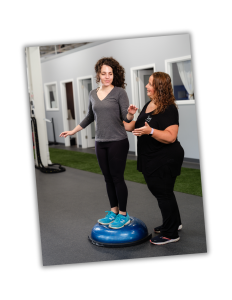
Strength Training for Runners: Your Body Will Thank You
Many runners are surprised to learn that strength training can actually make you a better runner. One of the biggest myths is that lifting weights will make you “bulky” and slow you down—but the truth is the opposite.
Why Strength Training Helps
Adding targeted strength work can:
- Reduce your risk of injuries
- Improve running speed
- Enhance running efficiency
Timing is Key
Incorporating strength training before increasing your mileage is ideal. Preparing your muscles, joints, and tendons ahead of high-mileage workouts ensures your body can handle the load. Waiting until later often means strength sessions get cut due to time constraints, which can lead to preventable injuries.
Start Early, Run Stronger
The earlier you integrate strength training into your routine, the better your body will adapt. A strong foundation sets you up to run farther, faster, and with more efficiency—helping you enjoy every mile without setbacks.
How Running Outside in Snow Can Improve Your Technique
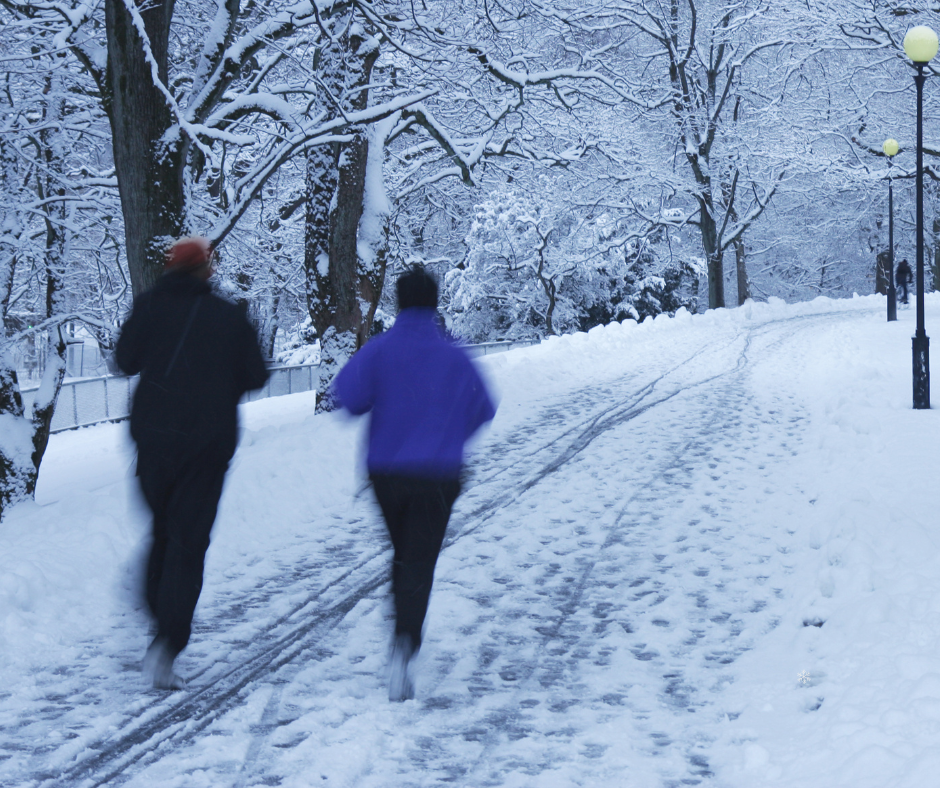
Living in the Midwest means unpredictable weather—snow and ice are inevitable. While it’s tempting to stay on the treadmill, running outside in snowy or icy conditions can actually benefit your running technique.
Why Snow Running Helps
Running at higher cadences has been shown to improve joint, tendon, and muscle efficiency. More efficient movement translates into faster, smoother running.
Think about how you naturally walk on snow or ice: instinctively, your stride shortens to prevent slipping. When applied to running, shortening your stride increases cadence, which:
- Reduces stress on joints and muscles
- Improves running efficiency
- Can lead to faster split times
Tips for Safe and Effective Snow Running
- Start with short distances if you’re not a fan of the cold
- Focus on how your body naturally adjusts to the surface
- Use this as an opportunity to practice higher cadence running
Even brief runs in winter conditions can help fine-tune your technique and keep you running efficiently. Pay attention to your body’s instincts—they can guide you to better form.
Embrace the snow and turn winter runs into a training advantage!
(If you are running more on the tredmill, we have some tips for you!)
Video Analysis for Runners
Runners, now is the perfect time to have your running technique professionally evaluated! At Smith Physical Therapy+, we offer advanced video analysis to help you run smarter, stronger, and more efficiently.
What is Video Analysis?
Using multiple camera angles, we film your running and slow it down to carefully examine your technique. This allows our therapists to identify:
- Muscle imbalances
- Inefficient movement patterns
- Small adjustments that can enhance your performance
How It Helps
Once your running technique is analyzed, we can prescribe:
- Targeted strengthening exercises to correct imbalances
- Running drills to fine-tune your form
- Strategies to improve efficiency and reduce injury risk

Winter is where smart runners win!
Building strength, sharpening technique, and getting ahead of injury risk now sets you up for a smoother, faster, and far more enjoyable training cycle once the mileage climbs. Don’t wait for spring to start acting like a runner. Your next race season is being built today.
If you’re ready to level up, this is your invitation to join our Running Academy. Get expert coaching, a personalized plan, video analysis, and the support you need to run faster, run longer, and run pain-free. Schedule here. Virtual appointments available!
About the Author: April Flood