Returning to Outdoor Activity
March 2, 2026
How to Prevent Low Back and Hip Pain When Returning to Outdoor Activity This Spring
As temperatures rise, many people are eager to return to walking, hiking, yard work, and outdoor workouts. However, after months of increased sitting during winter, your spine, hips, and hamstrings may be stiff and deconditioned.
Jumping back into activity too quickly is one of the most common causes of springtime low back pain and hip tightness.
The good news? A short daily mobility routine can help prepare your body.
1. Lower Trunk Rotation for Lumbar Mobility
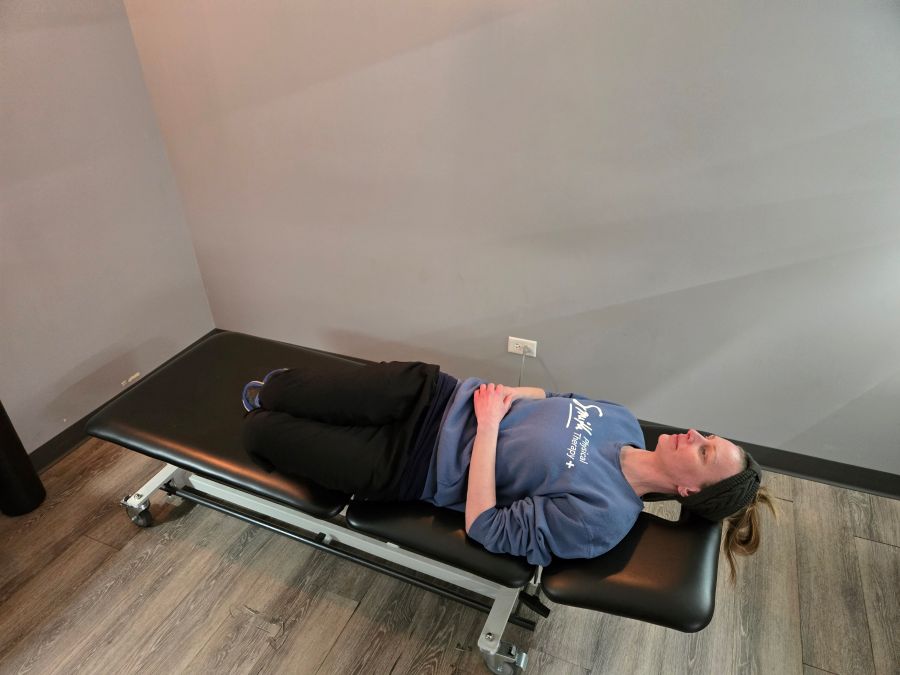
Gentle rotation improves spinal mobility and stimulates synovial fluid — the natural lubricant inside your joints.
How to perform:
- Lie on your back with knees bent
- Slowly rock knees side to side
- Move within comfort
- Perform for 1–2 minutes
This improves lumbar mobility and reduces stiffness before walking or hiking.
2. Hip Internal Rotation Knee Dips
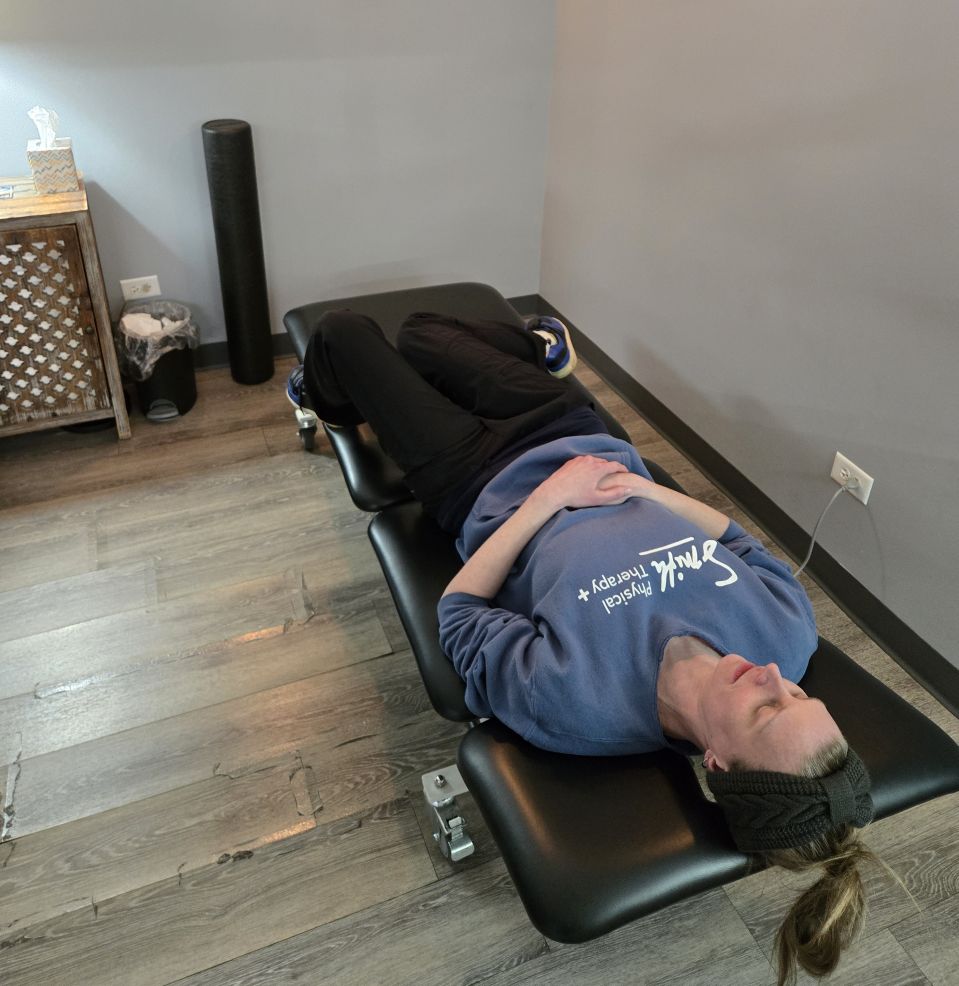
Hip internal rotation is often limited after prolonged sitting. Restricted hip rotation forces the low back to compensate — which can lead to pain.
How to perform:
- Lie on your back
- Feet wider than hips
- Drop one knee inward, return, then switch
- Avoid pushing into pain
This restores hip mobility and decreases strain on the spine.
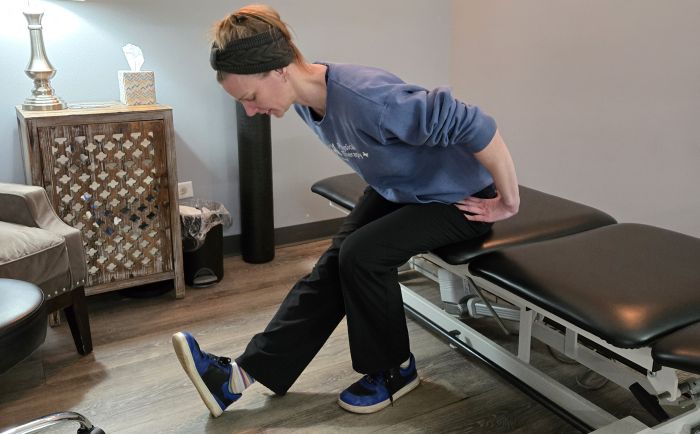
3. Seated Hamstring Stretch

Prolonged sitting shortens the hamstrings, increasing tension on the pelvis and low back.
How to perform:
- Sit at the edge of a chair
- Straighten one leg
- Hinge forward at the hips
- Hold 30 seconds
- Repeat twice each side
Improved hamstring flexibility can make walking and hiking more comfortable.
4. Quadratus Lumborum (QL) Stretch

The QL muscle helps stabilize the pelvis and spine.
Habitually leaning to one side while sitting can create asymmetry and tightness.
How to perform:
- Stand with one leg crossed in front
- Lean toward the front leg
- Reach arm overhead
- Stretch both sides evenly
This reduces side low back stiffness and improves trunk mobility.
Why Mobility Matters Before Increasing Activity
Mobility work:
- Improves joint lubrication
- Restores movement symmetry
- Reduces risk of muscle strain
- Enhances walking tolerance
- Decreases flare-ups of low back pain
Spring starts March 20th. Preparing your body now allows you to enjoy outdoor activity without setbacks.
Don’t Wait for Pain. Schedule Your Annual Wellness Exam
Even if you’re not in pain, an Annual Wellness Physical Therapy Exam can identify:
- Mobility restrictions
- Strength imbalances
- Early joint irritation
- Gait or movement inefficiencies
- Risk factors for future injury
Think of it like a yearly check-up for how you move. Catching small issues early prevents bigger problems later — especially when activity levels increase in spring and summer.
Schedule your Annual Wellness Exam today and start the season strong.
People Also Ask
Why does my back hurt when I start walking more in the spring? After months of reduced activity, spinal joints and supporting muscles lose mobility and endurance. Increasing walking volume too quickly can overload stiff tissues.
How long should I stretch before hiking? A 5–10 minute dynamic mobility routine is often enough to prepare your hips and spine. Longer static stretching is better after activity.
Can tight hips cause low back pain? Yes. Limited hip mobility often forces the lumbar spine to compensate, increasing stress and irritation in the low back.
How do I know if I need physical therapy or just stretching? If pain persists more than 1–2 weeks, returns repeatedly, or limits activity, a movement assessment can determine whether strength, mobility, or stability deficits are contributing.
Are annual wellness exams only for people with injuries? No. Annual movement exams are preventative. They help active adults identify and correct small issues before they develop into painful injuries.
About the Author: Jennifer Myatt