Oversplits: Why they can be dangerous (and safe alternatives)
September 19, 2023
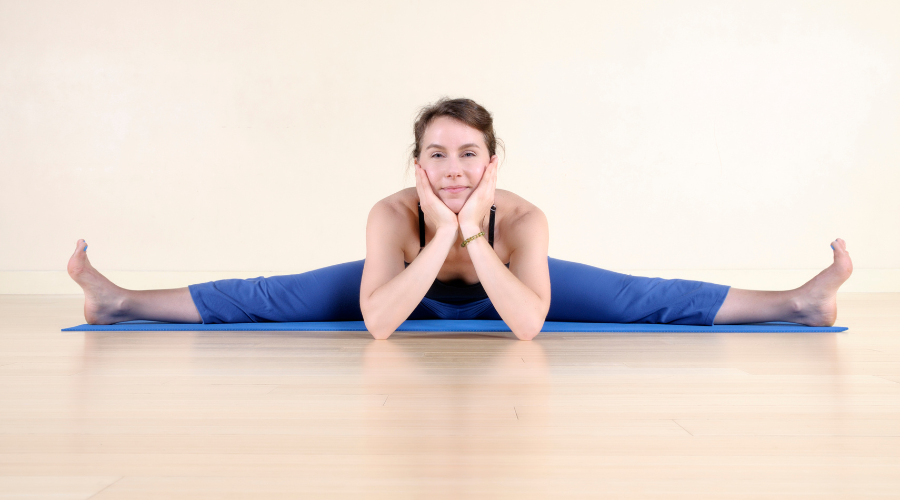
Dancers and gymnasts are always looking for ways to increase their flexibility and splits, however without proper guidance injuries can occur. Achieving the splits requires an adequate amount of flexibility in the hips, hamstrings, and groin muscles. Dancers, gymnasts and their instructors often resort to utilizing oversplits to achieve this.
So what are oversplit? Oversplits are often performed by placing the front leg on a mat or chair in front of you when holding the splits. This allows you to go beyond the standard split position.

What are the negative impacts that performing oversplits can have on your body?
Increased stress on muscles and ligaments: Stretching muscles and ligaments beyond their normal range of motion can result in strains, tears, or microtears. It is important to remember everyone’s body is unique and extreme stretching may not be appropriate for everyone.
Joint Instability: Pushing your splits past neutral can result in joint instability. Our joints rely on the support of muscles and ligaments to maintain proper alignment. Overstretching these structures can weaken their ability to stabilize the joint, leading to instability and an increased risk of joint injuries.
Nerve Compression: Overstretching can put pressure on nerves, leading to nerve compression and discomfort. This can cause symptoms such as tingling, numbness, or shooting pain.
Tendon Issues: Overstretching can cause tendon-related issues, such as tendinitis, where tendons become inflamed due to repeated stress. This can result in pain, reduced flexibility, and difficulty in performing movements.
Lack of Control: Achieving oversplits often involves relying on external forces, like gravity or a partner, to push the body into the position. This can make it difficult to know your body’s limits and increase the risk of sudden movements that could lead to injury.
Alternative stretches that can help you achieve the splits without resorting to oversplits:



If you have more concerns, visit your Dance Medicine physical therapist.
About the Author: Megan Long